HaloScape
HaloHub

Welcome to the
HaloHub

Explore articles and updates we curated to inform, inspire and support your health journey.

The Nightcap Paradox: What Alcohol Really Does to Your Sleep
Vitals

The Nightcap Paradox: What Alcohol Really Does to Your Sleep

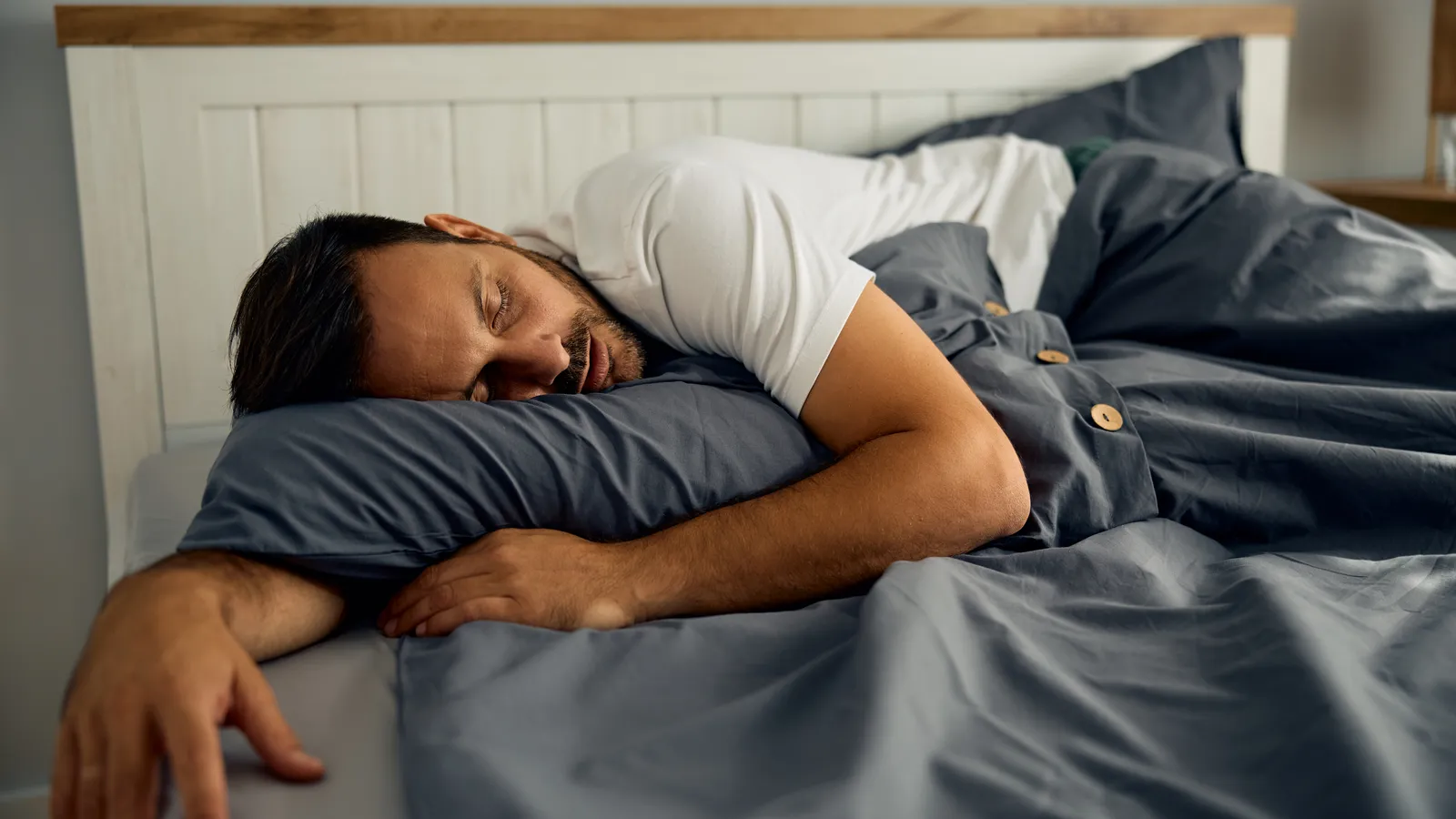
You feel it almost immediately, that warm loosening after a glass of wine, the way your shoulders drop, the way the day’s noise recedes. It feels like relaxation. It looks like relaxation. But underneath the calm, your autonomic nervous system is telling a very different story. Alcohol doesn’t quiet your body. It sedates one layer while activating another and the cost shows up at 3 a.m.

12 Science-Backed Ways to Improve Your Focus
Cognitive Performance5

12 Science-Backed Ways to Improve Your Focus

Cognitive focus is not a personality trait. It is a physiologic state — one you can measure, support, and optimize.

Your Heart Knows Before You Do
Vitals7

Your Heart Knows Before You Do

Why early shifts in HRV and RHR can precede how you feel.

All About Stress Index
Vitals5

All About Stress Index

How your body measures stress before your mind knows it's there.

Physiological vs. Perceived Stress
Vitals6

Physiological vs. Perceived Stress

Why your body's signals don't always match your thoughts — and why that matters.

When The Numbers Talk Back
Vitals4

When The Numbers Talk Back

Your body speaks in patterns, not snapshots — and here's how to interpret the signals.

Health7

How Does Exercise Affect Your HRV?

One workout lowers HRV for hours to days, while weeks of training tend to raise it. What carries information is how fast you return to your own range.

Health7

Sleeping HRV vs. Daytime HRV: Which One Matters?

Sleeping HRV and daytime HRV sample different autonomic states. Sleep holds posture, breathing and mental load steady, so nights compare cleanly.

Health7

What Does Recovery Actually Mean Physiologically?

Recovery is not one process. Neural drive, autonomic balance and fuel stores restore on separate clocks, so a rest day is not a recovered day.

Health7

What Is a Baseline and Why Does It Take Two Weeks to Build?

A baseline is not an average but a range: a center point plus the width your readings normally move within. Two weeks is what both parts need.

Health6

What Is a Good HRV? Why Your Own Range Beats the Chart

There is no single good HRV number. Age, sex and measurement conditions all move it, so what matters is how today sits against your own range.

Health7

What Is a Normal Resting Heart Rate?

For adults, 60 to 100 bpm is a clinical labeling range, not a personal target. Age and measurement conditions shift where your own range sits.

Health7

Why Is My Resting Heart Rate Going Up?

One higher morning is mostly noise. A resting heart rate rise that holds for several days tracks sleep loss, unabsorbed training load or early illness.

Health7

Biological Age vs. Chronological Age: What's the Difference?

Chronological age counts years since birth. Biological age is an estimate from measurable markers, and different methods return different numbers.

Health7

Can You Catch Up on Lost Sleep?

Partly. Some markers return after one or two recovery nights, while sustained attention and insulin sensitivity can stay changed for longer.

Health7

Do Naps Help or Hurt Your Sleep?

Both results appear in the research. Nap length and the hour of the nap decide whether a nap lifts your afternoon or lightens the night after it.

Health7

Does Caffeine Affect Your Heart Rate Variability?

Caffeine shifts autonomic activity, but trials disagree on direction and size. Here is what the evidence supports and why your own response matters.

Health7

Does Walking Really Count as Exercise?

Walking counts as exercise, but the outcome decides how much. Verified step cohorts and walking trials move some markers and leave others flat.

Health8

How Long Does It Take to Lose Your Fitness?

Fitness is not one adaptation, so it does not fade on one clock. Here is how fast insulin sensitivity, stroke volume and VO2 max actually change.

Health7

How Much Deep Sleep Do You Need?

There is no single target percentage for deep sleep. Your share shifts with age and swings night to night, so your own range tells you more than a chart.

Health7

What Are the Stages of Sleep?

Sleep is scored as N1, N2, N3 and REM. Those stages repeat in cycles whose mix changes across the night, with deep sleep early and REM later.

Health7

What Is a Chronotype? Are You Really a Morning Person?

Chronotype is the sleep timing your internal clock prefers. It is partly genetic, partly set by your light exposure, and it keeps shifting as you age.

Health8

What Is BMR and How Is It Calculated?

BMR is the energy your body spends at rest. Calculators predict it from four inputs, and validation studies put half to two thirds within 10 percent.

Health7

What Is VO2 Max and Why Does It Matter?

VO2 max is the highest rate your body can take in and use oxygen during hard exercise. Here is what the number reflects and why the trend matters.

Health7

What Is Zone 2 Training and Why Is Everyone Talking About It?

Zone 2 names a low intensity training range, but percentage based heart rate zones map poorly onto the individual thresholds they are meant to track.

Health7

Why Do I Feel Tired After Eight Hours of Sleep?

Eight hours in bed is not eight hours of continuous sleep. Fragmentation and irregular timing change how the same amount of sleep feels in the morning.

Health7

Why Do I Wake Up at 3am Every Night?

Brief awakenings at night are a normal part of sleep architecture. Here is why they cluster in the small hours and what returning to sleep depends on.

Health7

Why Does the Same Routine Work for One Person and Not Another?

The average effect of a routine is not your effect, and much of what looks like individual variation is noise. Here is what real response is.

Health7

Why Personal Baselines Beat Population Averages

A population average describes a group, not you. Here is why your own physiological range is the reference that makes real change measurable.

Join the movement.