Date Published
Feb 28, 2026
Time to Read
7
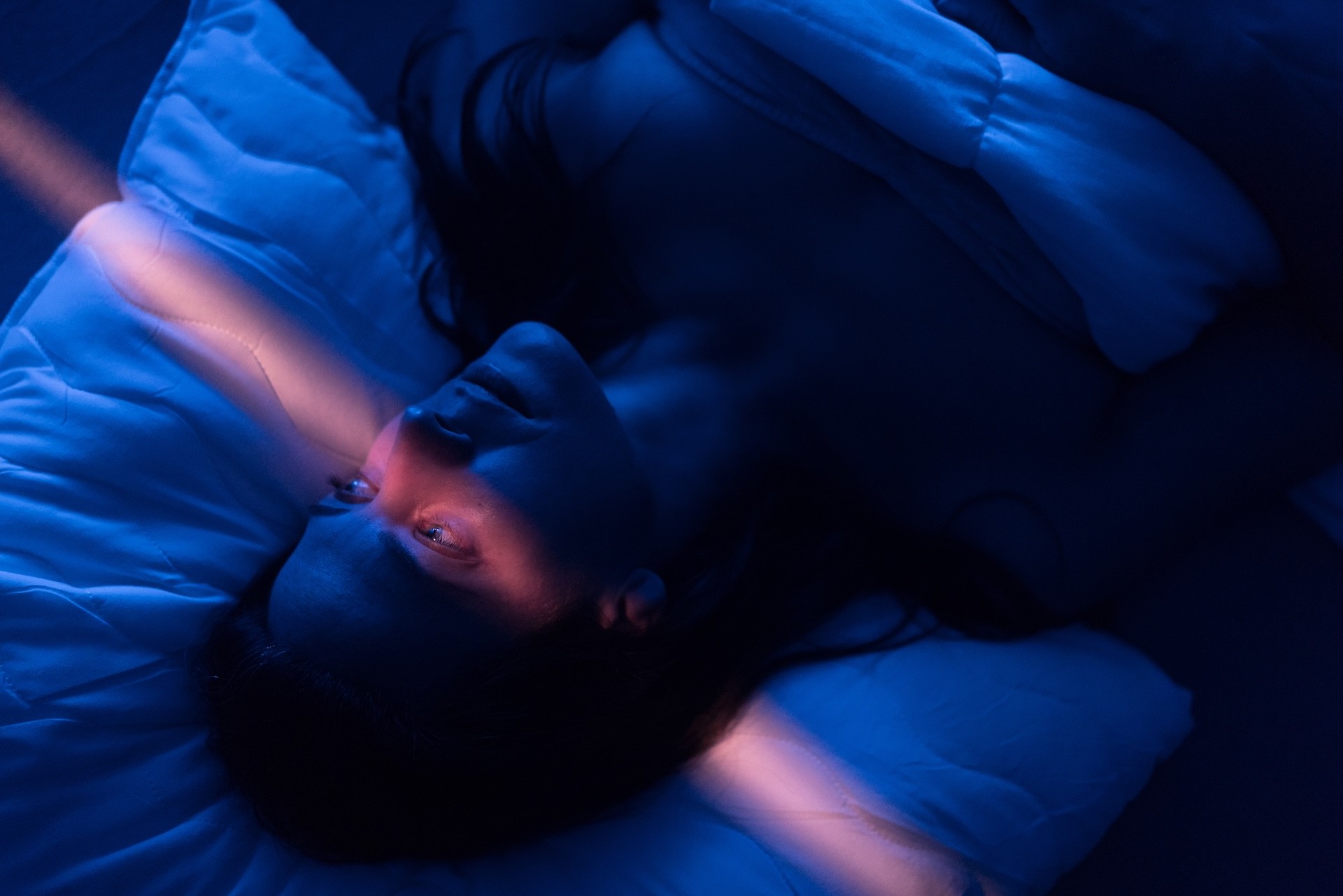
You feel it almost immediately, that warm loosening after a glass of wine, the way your shoulders drop, the way the day’s noise recedes. It feels like relaxation. It looks like relaxation. But underneath the calm, your autonomic nervous system is telling a very different story. Alcohol doesn’t quiet your body. It sedates one layer while activating another and the cost shows up at 3 a.m.
The Illusion
Alcohol is a central nervous system depressant, which means it does, technically, slow things down. It enhances the inhibitory neurotransmitter GABA and suppresses glutamate, the brain’s primary excitatory signal. The result is genuine sedation, faster sleep onset, reduced initial wakefulness, and that heavy, sinking feeling most people interpret as deep rest (Colrain et al., Handbook of Clinical Neurology, 2014).
But sedation isn’t sleep. Not the kind your body actually needs. The brain under alcohol doesn’t cycle through sleep stages the way it does on a clean night. It collapses into slow-wave sleep early, short‑circuiting the usual progression through lighter stages. You’re unconscious faster, yes. But unconscious and restored are not the same thing.
What Happens to Your Sleep Architecture
This is where the data gets uncomfortable for anyone who considers a nightcap a sleep aid.
A 2024 systematic review and meta-analysis, the largest of its kind, spanning 27 studies, found that alcohol significantly disrupts sleep architecture in a dose-dependent manner. Even moderate doses suppress REM sleep in the first half of the night, followed by a rebound effect in the second half that fragments sleep and increases wakefulness (Gardiner et al., Sleep Medicine Reviews, 2024). The pattern is consistent: the more you drink, the worse the disruption.
Here’s what that looks like across a night:
Sleep Phase | Without Alcohol | With Alcohol |
|---|---|---|
First half of the night | Gradual cycling through N1 → N2 → N3 → REM | Rapid collapse into deep slow-wave sleep; REM suppressed |
Second half of the night | Longer REM periods, lighter cycling | REM rebound, fragmented sleep, more awakenings |
Overall architecture | Balanced stage distribution | Front-loaded depth, back-loaded disruption |
The Autonomic Story Your Wearable Can Tell
This is the part most people miss, because it’s invisible without data.
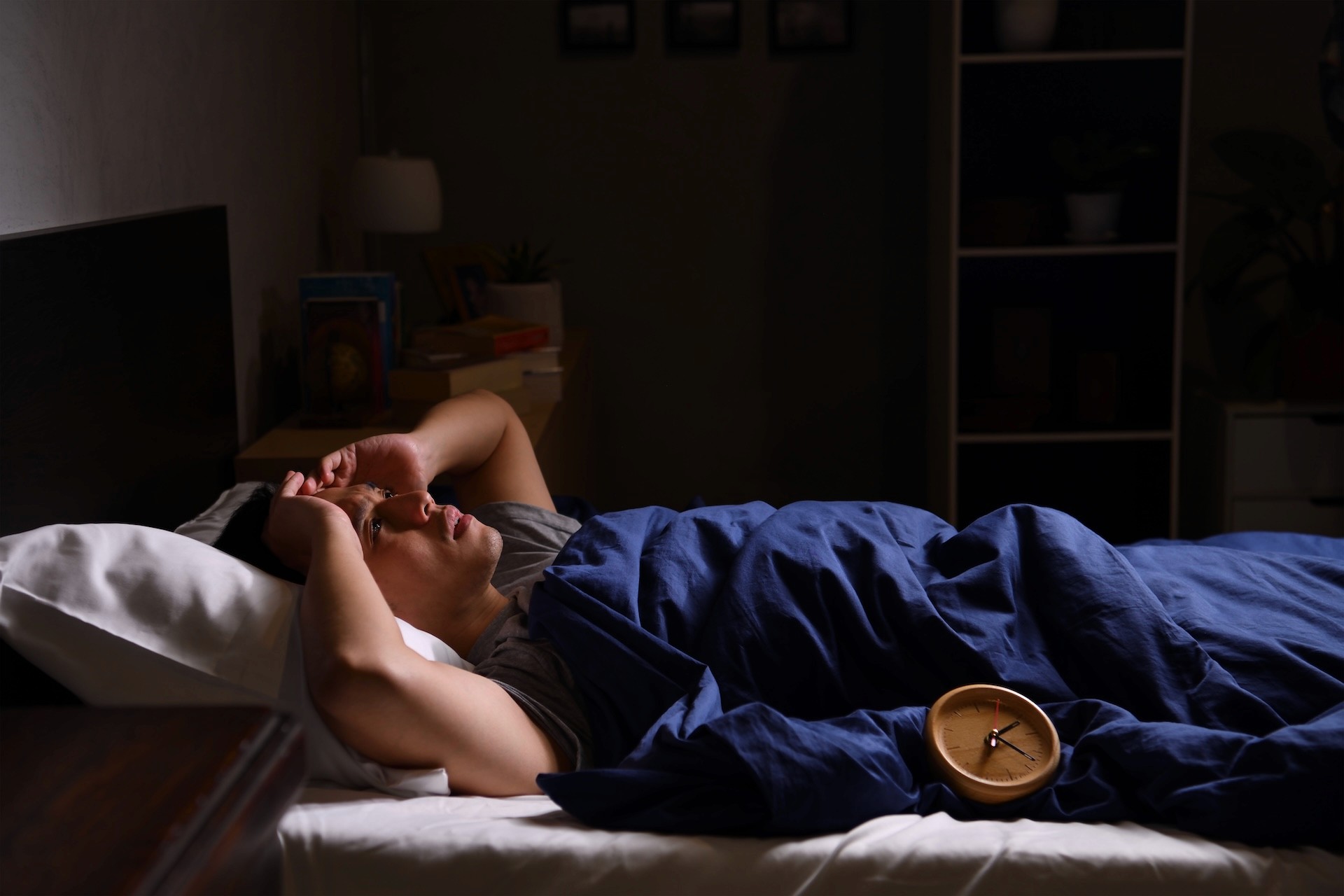
While your brain is sedated, your autonomic nervous system is doing the opposite. Alcohol triggers a sympathetic shift, the branch of your nervous system responsible for vigilance, stress response, and cardiovascular activation. Your resting heart rate climbs. Your heart rate variability compresses. The beat-to-beat flexibility that signals genuine recovery, that natural fluctuation your body uses to adapt to changing demands, flattens under alcohol’s influence.
Research on autonomic function during alcohol-affected sleep shows this clearly. A study examining both men and women found that alcohol consumption was associated with significant ANS dysfunction during sleep, including elevated sympathetic activity and reduced parasympathetic tone, the very signals your body relies on for overnight restoration (de Zambotti et al., Alcoholism: Clinical and Experimental Research, 2014).
In people who drink regularly, this pattern becomes chronic. A 2023 study comparing individuals with alcohol use disorder to social drinkers found that the heavier drinkers had consistently dampened HRV during sleep, not just on drinking nights, but as a baseline state. Their autonomic systems had adapted to a new, less flexible normal (Wemm et al., Alcohol and Alcoholism, 2023). Most of the strongest autonomic findings (for example de Zambotti 2014 and Ganesha 2013) come from people with alcohol dependence, not from occasional nightcap‑level drinking. Reduced HRV in alcohol-dependent individuals has been independently confirmed across multiple studies, suggesting a reliable autonomic signature of chronic alcohol use (Ganesha et al., Indian Journal of Psychiatry, 2013).
If you wear a device that tracks resting heart rate or HRV overnight, you’ve probably already seen this, even if you didn’t know what you were looking at. That elevated RHR after a night out, that unusually low HRV reading the next morning, those aren’t random fluctuations. They’re your autonomic nervous system telling you that what felt like rest was actually work.
The Recovery Window
Here’s the part that matters most: the damage isn’t permanent, and the body is remarkably good at recalibrating once you give it the chance.
A study tracking cardiac autonomic function during abstinence found partial but meaningful recovery of HRV and parasympathetic tone within four months of stopping alcohol use. The autonomic nervous system began restoring its flexibility, not perfectly, not overnight, but measurably (de Zambotti et al., Alcohol, 2014). The sympathetic overdrive that characterizes alcohol-affected sleep started to quiet, and the hallmarks of genuine recovery sleep, lower resting heart rate, higher HRV, more coherent sleep staging, began to return.
A Practical Rule of Thumb
You don’t need to eliminate alcohol to sleep well. But you do need to understand the trade-off clearly enough to make it on purpose rather than by default.
The research points to a few practical principles:
Timing is as important as the amount: Alcohol consumed closer to bedtime has a more pronounced effect on sleep architecture and autonomic function. A drink with dinner metabolizes differently than a drink at 10 p.m. The further your last drink is from lights-out, the less it disrupts the second half of your night.
Dose is not linear: The relationship between alcohol and sleep disruption isn’t a gentle slope, it’s more of a cliff after moderate intake. One drink may show minimal autonomic impact for most people. Two or three drinks shift the picture substantially (Gardiner et al., Sleep Medicine Reviews, 2024).
Your data tells the truth: If you track HRV and resting heart rate, run your own experiment. Compare nights with and without alcohol. Look at the second half of the night specifically, not just your total sleep score, but the autonomic recovery pattern. The numbers won’t moralize. They’ll just show you what happened.
Recovery is real and measurable: If you’ve been drinking regularly and decide to take a break, watch your overnight metrics. The shift toward lower resting heart rate and higher HRV often appears within weeks, your body’s way of confirming that the autonomic load has lightened (de Zambotti et al., Alcohol, 2014).
The nightcap is one of the oldest self-prescriptions in the world. It works exactly the way it feels, for about four hours. After that, the body reveals what the brain was too sedated to notice. Not a reason for guilt. Just a reason to check the data before you pour the second glass.
References
Gardiner, C., et al. “Alcohol and sleep: A systematic review and meta-analysis of polysomnographic studies.” Sleep Medicine Reviews, 2024. DOI: 10.1016/j.smrv.2024.102030
Colrain, I.M., Nicholas, C.L., & Baker, F.C. “Alcohol and the sleeping brain.” Handbook of Clinical Neurology, 2014. DOI: 10.1016/B978-0-444-62619-6.00024-0
de Zambotti, M., et al. “Autonomic nervous system dysfunction in alcoholism during sleep.” Alcoholism: Clinical and Experimental Research, 2014. DOI: 10.1111/acer.12384
Wemm, S.E., et al. “Dampened heart rate variability during sleep in alcohol use disorder.” Alcohol and Alcoholism, 2023. DOI: 10.1093/alcalc/agad061
de Zambotti, M., et al. “Partial recovery of cardiac autonomic function during abstinence.” Alcohol, 2014. DOI: 10.1016/j.alcohol.2014.07.023
Ganesha, S., et al. “Decreased heart rate variability in alcohol-dependent individuals during sleep.” Indian Journal of Psychiatry, 2013. DOI: 10.4103/0019-5545.111458
Greenlund, I.M., & Carter, J.R. “Sympathetic neural responses to sleep disorders and insufficiencies.” American Journal of Physiology, Heart and Circulatory Physiology, 2022. DOI: 10.1152/ajpheart.00590.2021