HaloScape Receives IRB Approval for Research Exploring Parkinson’s Disease Through Smart Device Data
HaloScape has received Institutional Review Board (IRB) approval for a new clinical study investigating how smartphone and smartwatch data can help characterize the course of Parkinson’s disease before diagnosis and after treatment.

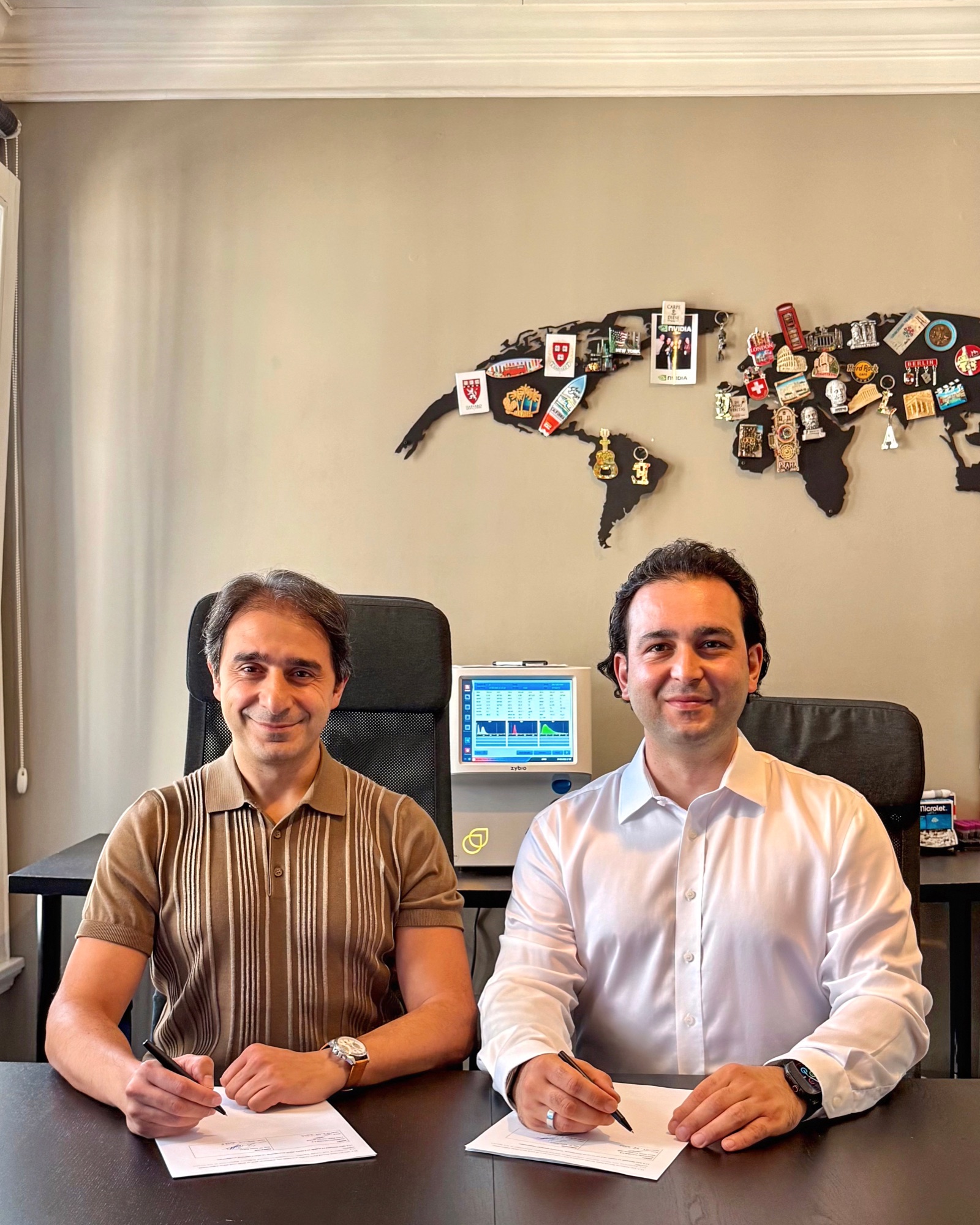
HaloScape has received Institutional Review Board (IRB) approval for a new clinical research study investigating how smartphone and smartwatch data can help characterize the course of Parkinson’s disease before diagnosis and after treatment. Conducted jointly with Prof. Dr. Akın Akakın, the study will explore the potential of continuous, real-world health data to support a more comprehensive understanding of the disease.
Parkinson’s disease extends far beyond what can be observed during a clinical appointment. Certain changes may begin years before diagnosis, while symptoms such as tremor, movement difficulties, and sleep disturbances can fluctuate considerably throughout the day.
Yet clinical assessments typically take place during relatively brief appointments, often separated by months. As a result, important changes in mobility, daily motor fluctuations, and nighttime symptoms may remain difficult to capture through conventional assessments alone.
HaloScape’s newly approved research aims to investigate how data collected through everyday connected devices can help address this gap.
Examining Parkinson’s Disease Before Diagnosis and After Treatment
The study will examine two distinct periods using smartphone and smartwatch data from patients with Parkinson’s disease who have undergone deep brain stimulation (DBS).
The retrospective phase will analyze historical gait data recorded by patients’ smartphones before their Parkinson’s diagnosis. Researchers will examine parameters including walking speed, step length, gait asymmetry, and double-support time to investigate potential changes in mobility patterns and their timing relative to clinical diagnosis.
The prospective phase will focus on the period following DBS treatment, continuously recording tremor, dyskinesia, gait, and sleep parameters.
These measurements will be evaluated alongside medication timing and changes in DBS stimulation settings to investigate daily motor fluctuations and the relationship between treatment adjustments and observed movement patterns.
Together, these two phases will enable researchers to examine real-world health data across different stages of Parkinson’s disease.
Joint Clinical Research
The study will be conducted jointly with Prof. Dr. Akın Akakın, a member of HaloScape’s Scientific Advisory Board.
Head of the Department of Neurosurgery at Bahçeşehir University Faculty of Medicine and a practicing neurosurgeon at Medical Park Hospitals, Prof. Dr. Akakın has extensive clinical expertise in deep brain stimulation for Parkinson’s disease.
Having performed over 1,700 DBS procedures nationally and internationally throughout his career, he brings substantial surgical experience and specialized clinical knowledge to the research.
The collaboration brings together Prof. Dr. Akakın’s expertise in DBS treatment and HaloScape’s capabilities in continuous, multi-source health data analysis, creating a foundation for investigating Parkinson’s disease through measurements collected in everyday life.
Understanding What Happens Between Clinical Visits
Traditional clinical evaluations provide essential insights into a patient’s condition at a particular moment. However, they may not fully reflect the variability of symptoms experienced throughout daily life.
Smartphones and wearable devices offer the opportunity to collect longitudinal measurements of movement, gait, and sleep in real-world settings. When examined alongside clinical information, these measurements may provide additional context about how the disease changes over time.
The newly approved study will investigate the potential clinical value of these continuous digital measurements, including their ability to characterize disease progression and complement existing assessment methods.
Through this research, HaloScape continues to advance its evidence-based approach to continuous health intelligence, exploring how everyday health data can contribute to a more informed understanding of chronic conditions beyond the clinical setting.